Understanding the Role of Neuromuscular Re-Education in Injury Recovery


In the journey of injury recovery, one vital yet often overlooked aspect is neuromuscular re-education. This technique plays a crucial role in restoring normal movement patterns and improving overall function. But what exactly is neuromuscular re-education, and how does it contribute to healing?
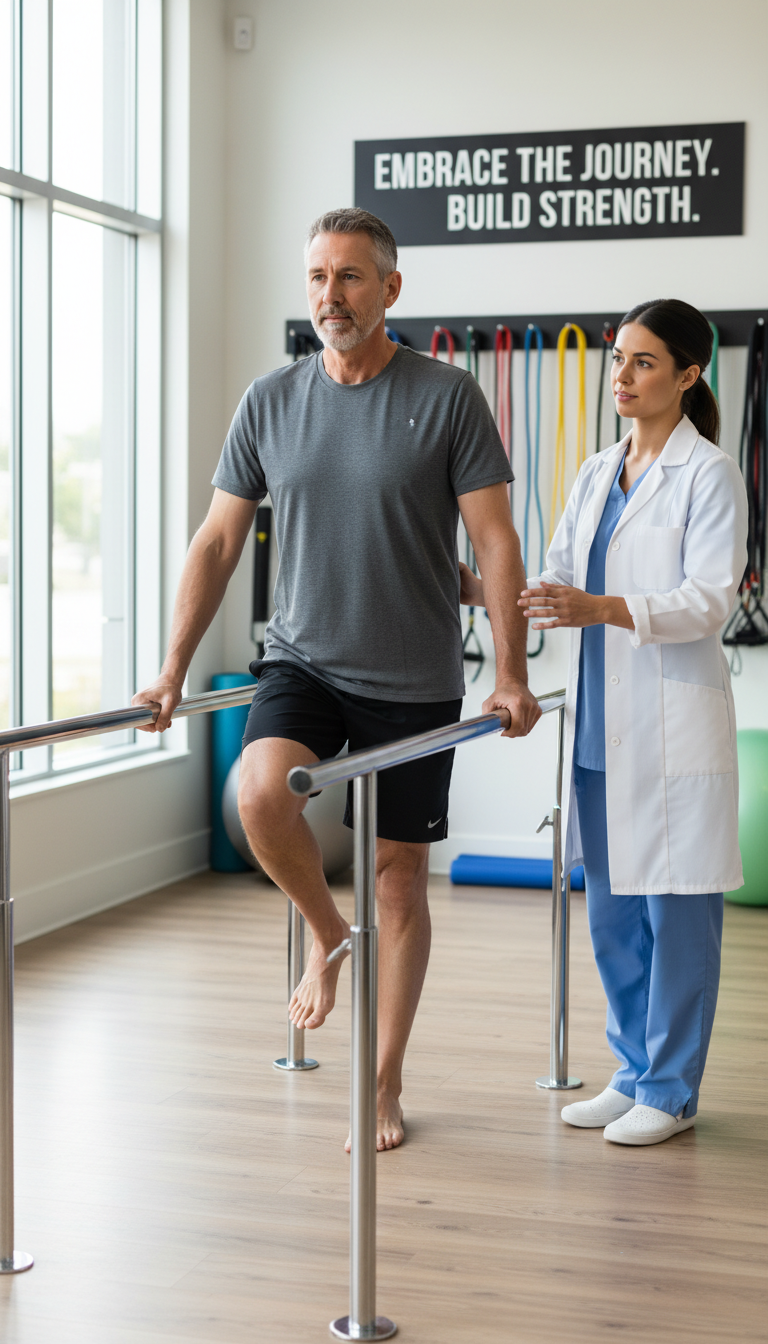
Neuromuscular re-education involves retraining the nervous and muscular systems to communicate effectively after an injury. It focuses on restoring proper movement, balance, and coordination. These elements are essential for regaining strength and preventing future injuries.
The Science Behind Neuromuscular Re-Education
The human body relies on a complex communication network between the brain, nerves, and muscles. When an injury occurs, this network is often disrupted, leading to altered movement patterns. Neuromuscular re-education aims to re-establish these connections, ensuring that messages between the brain and muscles are transmitted efficiently.
This process involves a variety of exercises and techniques designed to enhance motor skills, improve balance, and increase proprioception—the body’s ability to sense its position in space. By focusing on these areas, individuals can regain control over their movements.
Key Techniques in Neuromuscular Re-Education
Several techniques are employed in neuromuscular re-education, including:
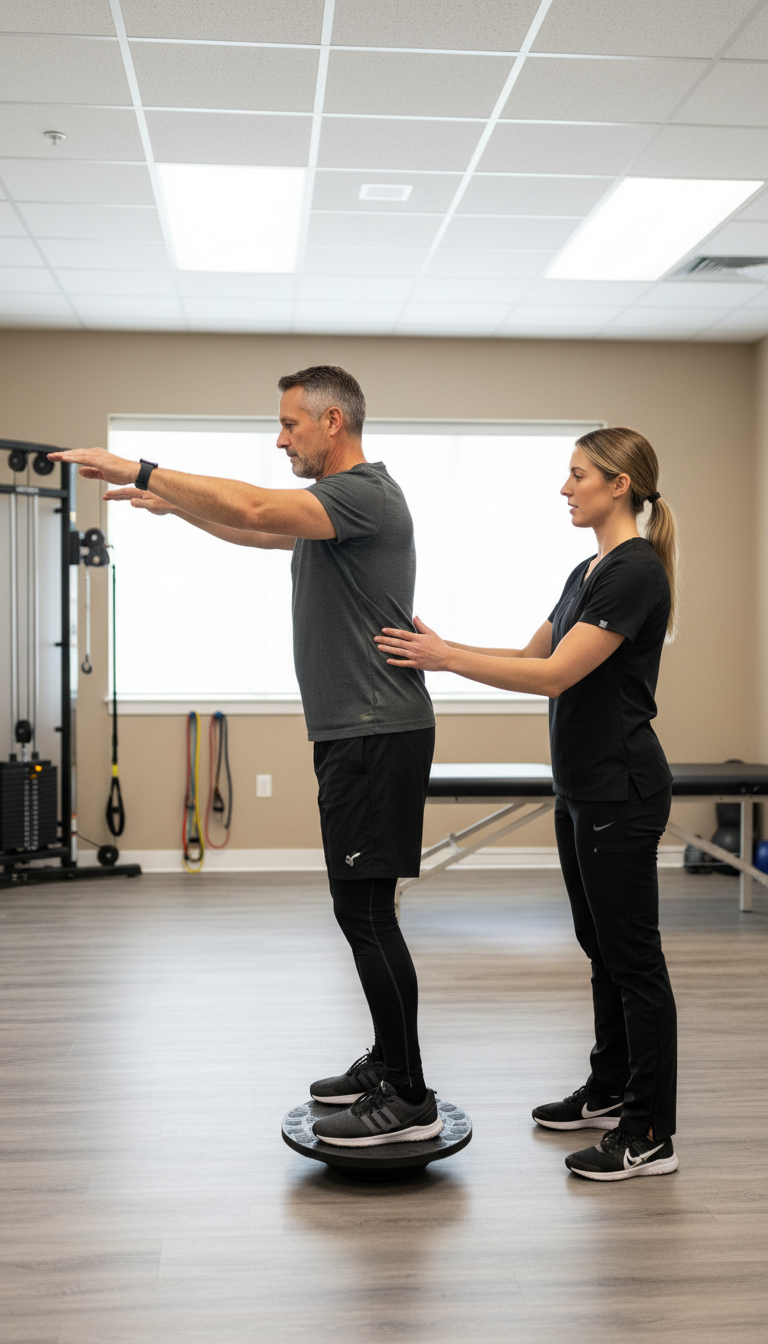
- Balance Training: Exercises that improve stability and prevent falls.
- Coordination Drills: Activities that enhance hand-eye coordination and overall dexterity.
- Proprioceptive Exercises: Movements that increase body awareness and spatial orientation.
Benefits of Neuromuscular Re-Education
Engaging in neuromuscular re-education offers numerous benefits, particularly for those recovering from injuries. It helps in:
- Restoring Normal Movement Patterns: Ensures that the body moves efficiently and effectively.
- Enhancing Muscle Activation: Promotes the correct engagement of muscles during activities.
- Reducing Pain: By correcting movement patterns, it can alleviate discomfort.
These benefits contribute significantly to a faster and more complete recovery, allowing individuals to return to their daily activities with confidence.
Implementing Neuromuscular Re-Education in Recovery Programs
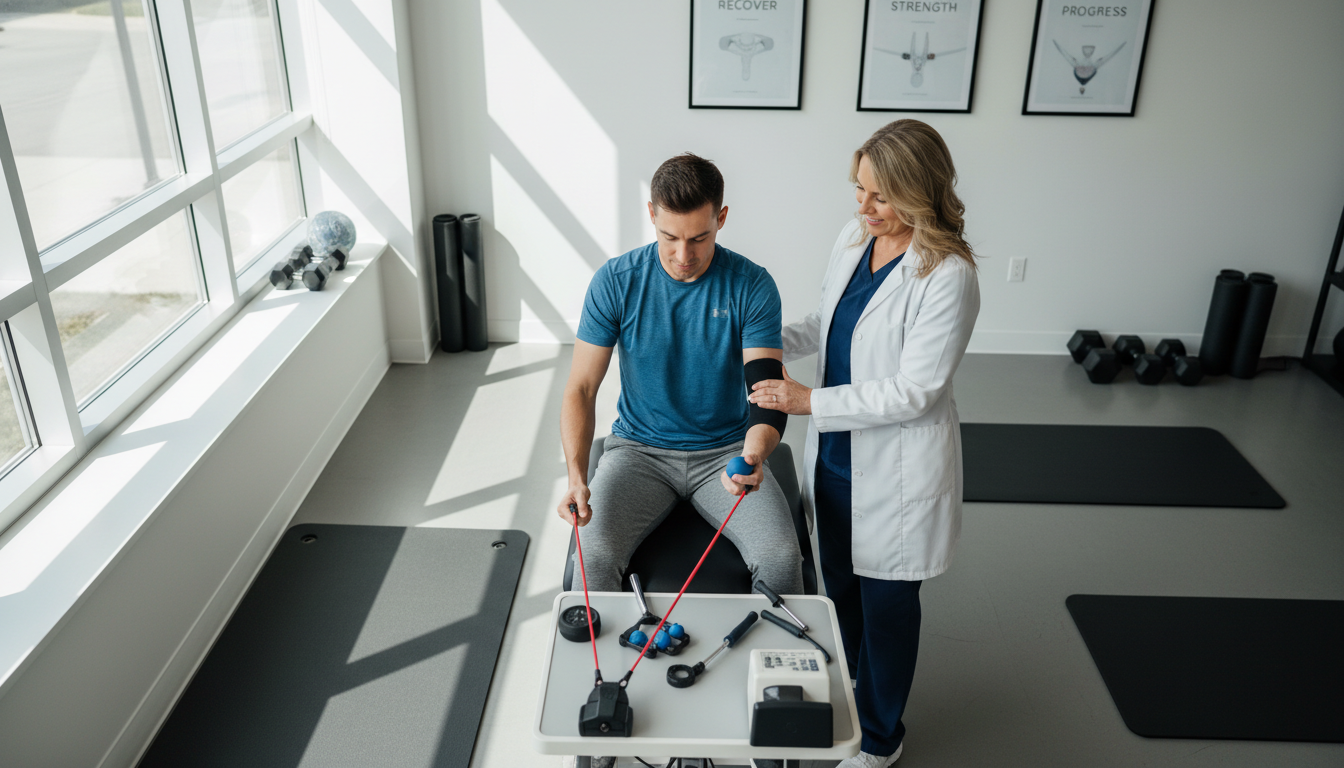
Integrating neuromuscular re-education into a rehabilitation program requires the expertise of healthcare professionals such as physical therapists. They tailor exercises to individual needs, ensuring a personalized approach to recovery.
Therapists may incorporate various tools such as balance boards, resistance bands, and stability balls to enhance the effectiveness of the exercises. Consistent practice and patient commitment are key to achieving optimal results.
Conclusion
Understanding the role of neuromuscular re-education in injury recovery is crucial for anyone embarking on the path to healing. By focusing on restoring the communication between the nervous and muscular systems, individuals can achieve a more comprehensive recovery, reducing the risk of future injuries.
Whether recovering from a minor sprain or a major surgery, incorporating neuromuscular re-education into your rehabilitation plan can make a significant difference in your overall recovery journey.