Understanding Spinal and Peripheral Joint Mobilization: What Patients Need to Know


Introduction to Joint Mobilization
Joint mobilization is a manual therapy technique used by physical therapists to improve movement and reduce pain in the spine and peripheral joints. By applying specific pressures and movements, therapists can address stiffness and restore function. This technique is often part of a broader rehabilitation plan tailored to individual patient needs.

What is Spinal Mobilization?
Spinal mobilization is a gentle, hands-on approach aimed at increasing movement in the spine. It is particularly beneficial for individuals experiencing back pain, stiffness, or limited range of motion. Through controlled and precise movements, therapists can help alleviate discomfort and promote healing.
Some common techniques used in spinal mobilization include oscillatory movements and sustained pressure, which help in easing tension and improving flexibility. It's a non-invasive method that can provide significant relief for many patients.
Understanding Peripheral Joint Mobilization
Peripheral joint mobilization focuses on the joints outside the spine, such as shoulders, elbows, wrists, hips, knees, and ankles. This therapy is essential for individuals recovering from injuries, surgeries, or chronic conditions like arthritis.
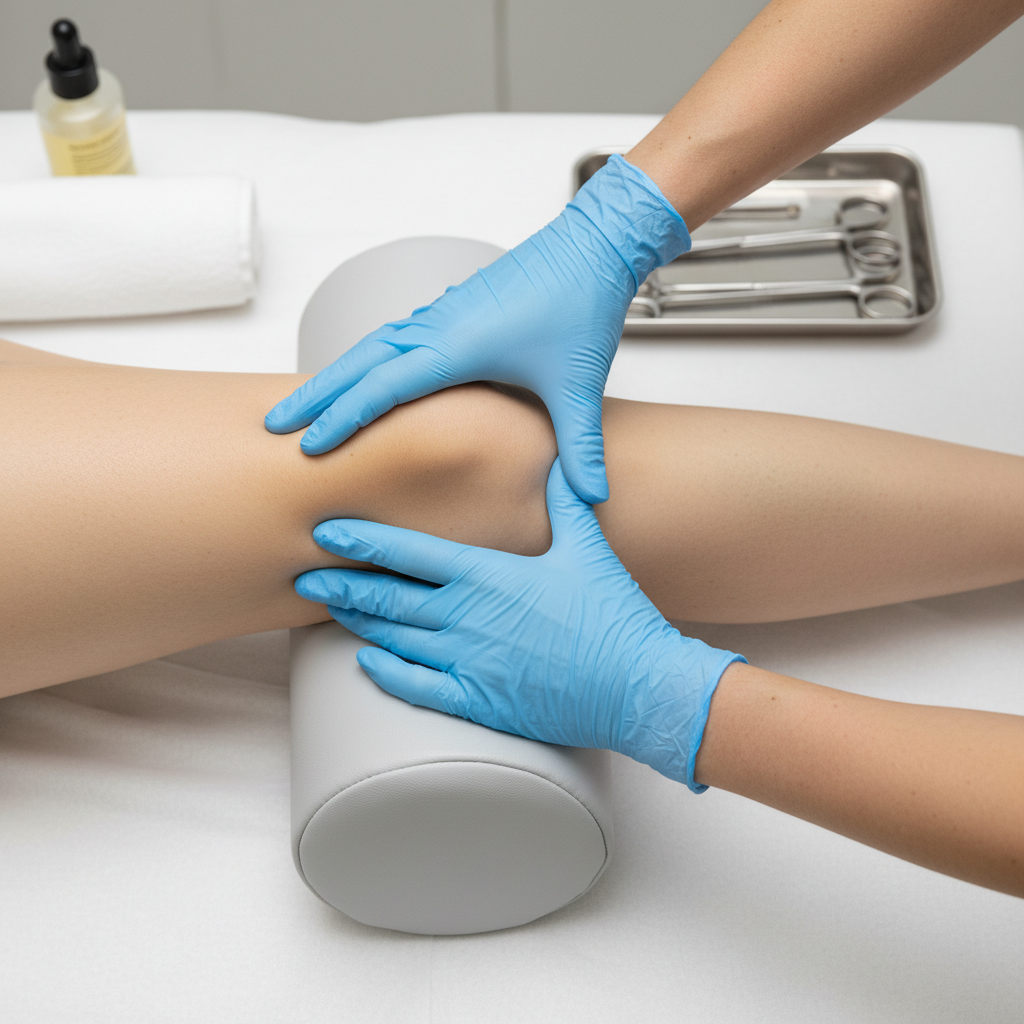
By targeting these joints, therapists aim to enhance mobility, decrease stiffness, and reduce pain. Techniques vary depending on the joint and the specific condition but often involve gentle stretching and movement.
Benefits of Joint Mobilization
Joint mobilization offers numerous benefits, including:
- Pain relief: Reduces discomfort in affected areas.
- Improved mobility: Enhances range of motion and flexibility.
- Increased circulation: Promotes blood flow to aid healing.
- Relaxation: Helps ease muscle tension and stress.
Who Can Benefit?
This therapy is suitable for a wide range of patients, from athletes recovering from sports injuries to older adults dealing with age-related joint issues. It is also effective for individuals with chronic conditions, such as osteoarthritis or scoliosis, who seek non-surgical treatment options.
What to Expect During a Session
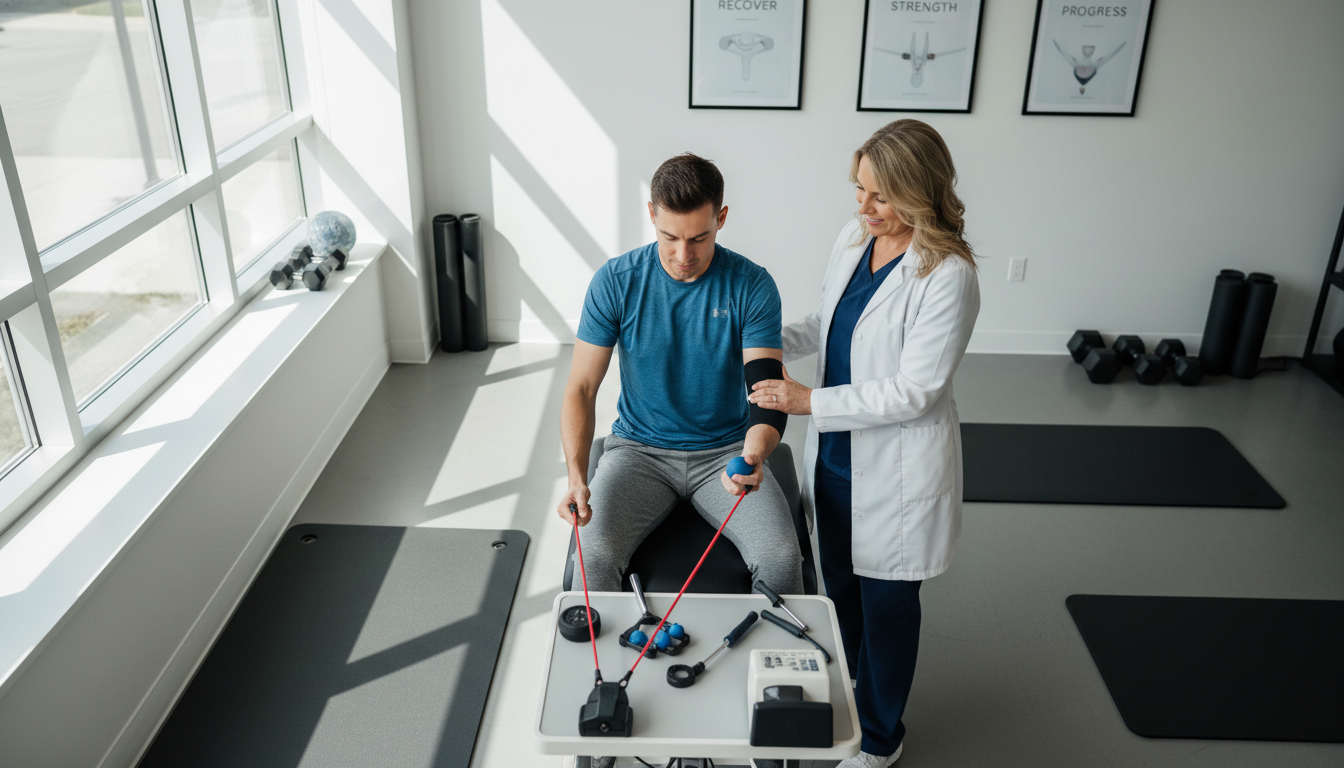
During a joint mobilization session, therapists will first assess the affected area to determine the appropriate techniques. Sessions typically last between 30 to 60 minutes, involving a series of manual movements designed to target specific joints. Patients may experience mild soreness after a session, but this usually subsides quickly.
Finding the Right Therapist
Choosing a qualified and experienced therapist is crucial for effective treatment. Look for professionals who specialize in manual therapy and have a strong track record of helping patients with similar conditions. A personalized approach ensures the best outcomes.
Joint mobilization is a valuable tool in the hands of skilled therapists, offering a pathway to improved health and well-being. With consistent treatment, patients can look forward to a more active and pain-free lifestyle.