The Importance of Neuromuscular Re-education in Injury Recovery


Understanding Neuromuscular Re-education
Neuromuscular re-education is a therapeutic technique used to restore normal body movement patterns. It plays a critical role in injury recovery by retraining the brain and muscles to work together effectively. This process helps patients achieve better mobility and reduce the risk of re-injury.
When an injury occurs, the connection between the brain and the affected muscles can become disrupted. Neuromuscular re-education aims to restore this connection, allowing individuals to regain strength and coordination more efficiently.
The Role of Neuromuscular Re-education in Recovery
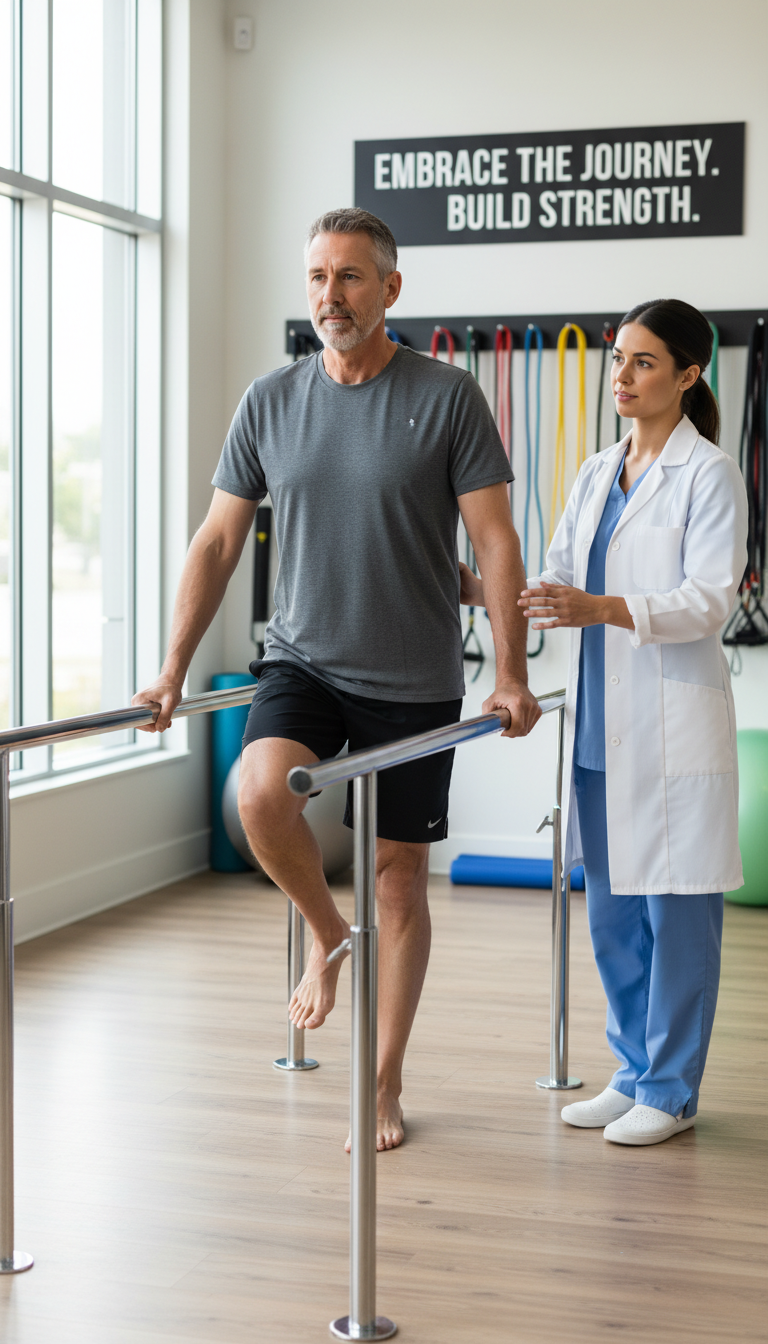
Injury recovery can be a long and challenging journey. Neuromuscular re-education accelerates this process by enhancing the body’s natural healing mechanisms. By focusing on improving muscle memory and coordination, patients can experience a smoother and faster recovery.
This approach is particularly beneficial for those recovering from surgeries, sports injuries, or neurological disorders. It helps in rebuilding muscle strength, improving balance, and increasing flexibility—all essential components of a successful recovery.
Benefits of Neuromuscular Re-education
Some key benefits of incorporating neuromuscular re-education into injury recovery include:
- Improved coordination: Helps in restoring normal movement patterns.
- Enhanced strength: Rebuilds muscle strength effectively.
- Increased flexibility: Improves range of motion and flexibility.
- Reduced pain: Alleviates discomfort associated with injuries.
Techniques Used in Neuromuscular Re-education
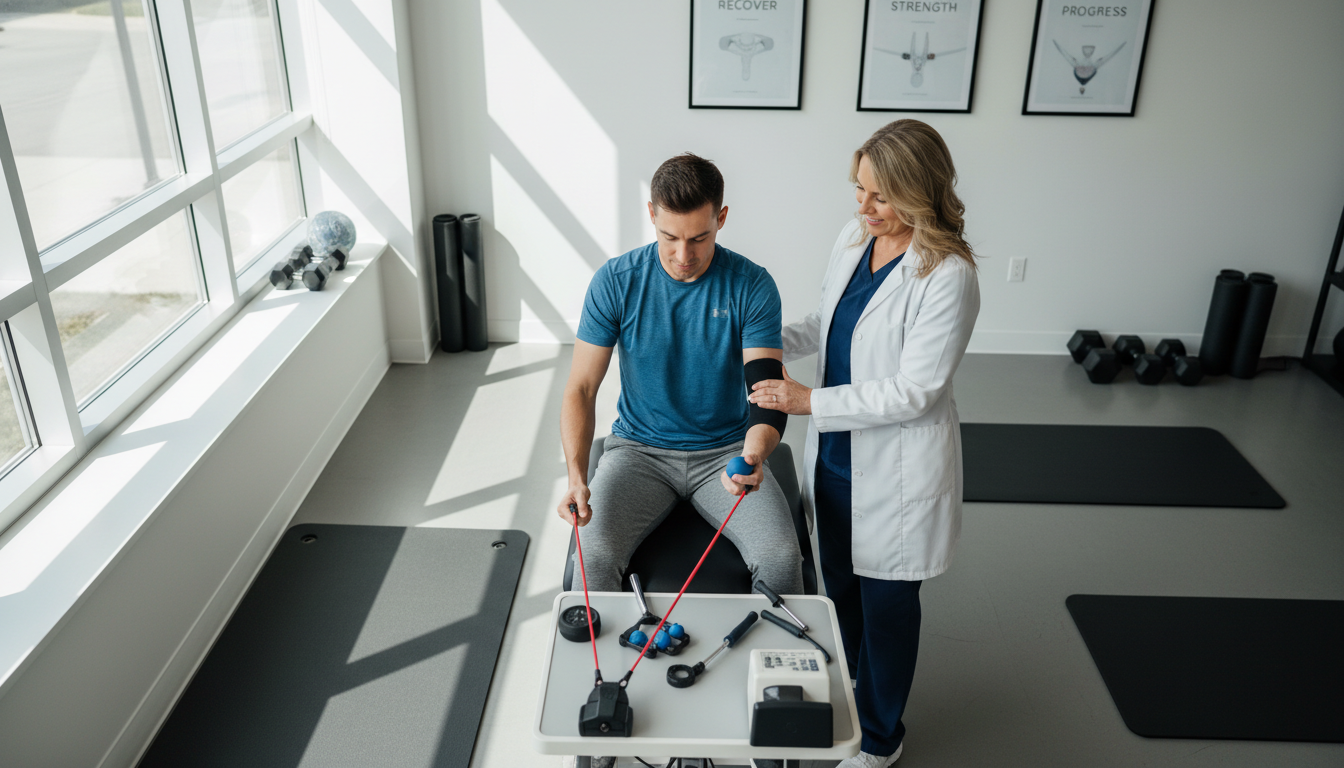
Various techniques are employed in neuromuscular re-education, each tailored to meet the specific needs of the patient. These techniques often include:
- Proprioceptive Neuromuscular Facilitation (PNF): A method that enhances both the active and passive range of motion.
- Balance and Coordination Exercises: Activities designed to improve stability and coordination.
- Functional Electrical Stimulation (FES): Uses electrical impulses to stimulate muscle contractions.
Each technique is chosen based on the injury type and the patient’s individual recovery goals, ensuring a personalized approach to healing.

Conclusion
Neuromuscular re-education is an essential component of modern rehabilitation programs. By focusing on restoring the intricate connection between the brain and muscles, it not only aids in injury recovery but also enhances overall physical performance. For anyone facing the challenges of recovery, incorporating this effective technique can make a significant difference in regaining full functional capabilities.