The Benefits of Non-Surgical Spine and Joint Care


Understanding Non-Surgical Spine and Joint Care
In recent years, non-surgical spine and joint care has gained popularity as an effective alternative to invasive procedures. This approach focuses on relieving pain, improving function, and enhancing the quality of life without the risks associated with surgery. Patients suffering from chronic pain, arthritis, or injuries often find non-surgical treatments to be a promising option.
Types of Non-Surgical Treatments
There are several non-surgical treatment options available, each tailored to specific needs and conditions. Some of the most common include:
- Physical Therapy: Customized exercises and therapies to improve mobility and strength.
- Chiropractic Care: Manual adjustments to align the spine and relieve discomfort.
- Acupuncture: Insertion of thin needles to stimulate specific points on the body.
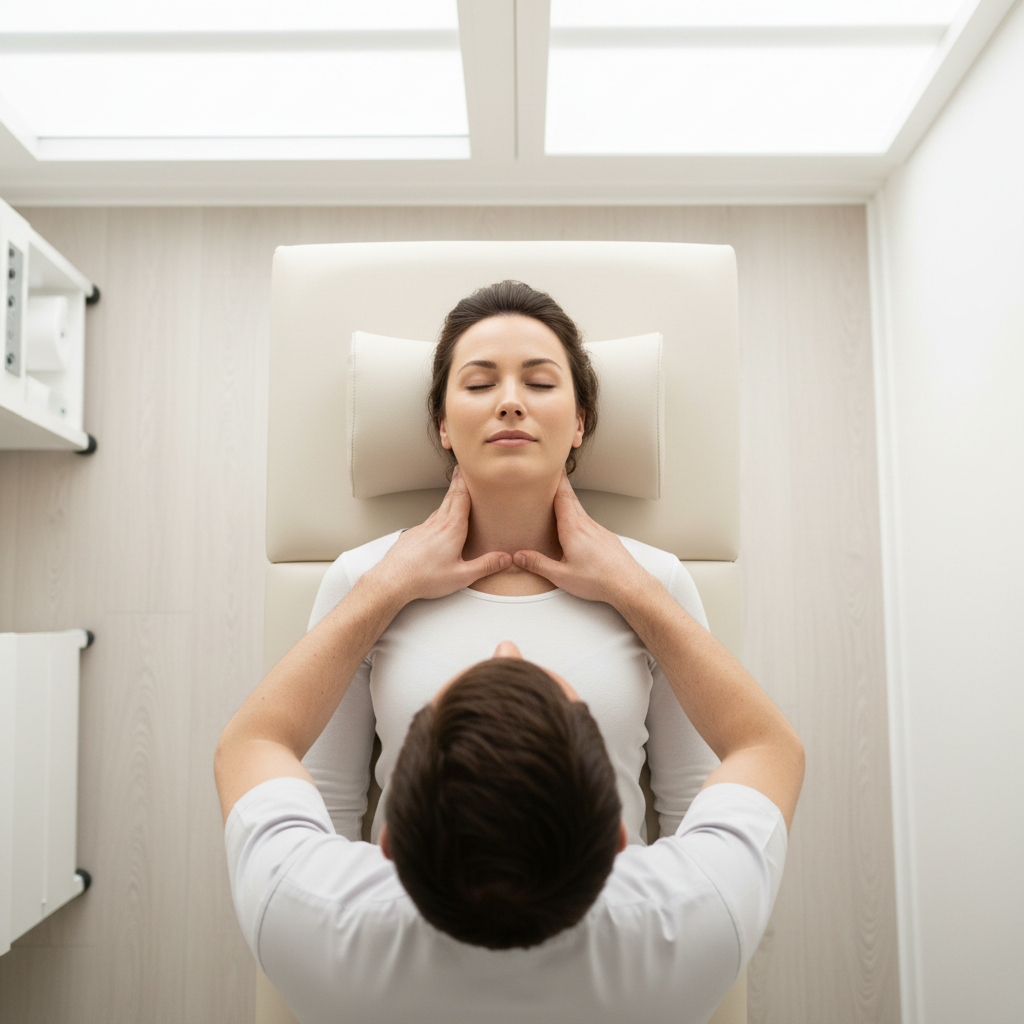
- Massage Therapy: Techniques to relax muscles and improve circulation.
These treatments are often used in combination to provide a holistic approach to pain management.
Advantages of Non-Surgical Care
The benefits of non-surgical spine and joint care are numerous. Below are some key advantages:
- Minimal Risk: Non-surgical treatments carry fewer risks compared to surgical interventions, reducing the likelihood of complications.
- Quick Recovery: Patients often experience shorter recovery times, allowing them to return to their daily activities sooner.
- Cost-Effective: These treatments are typically more affordable than surgery, making them accessible to a broader range of patients.
Individualized Treatment Plans
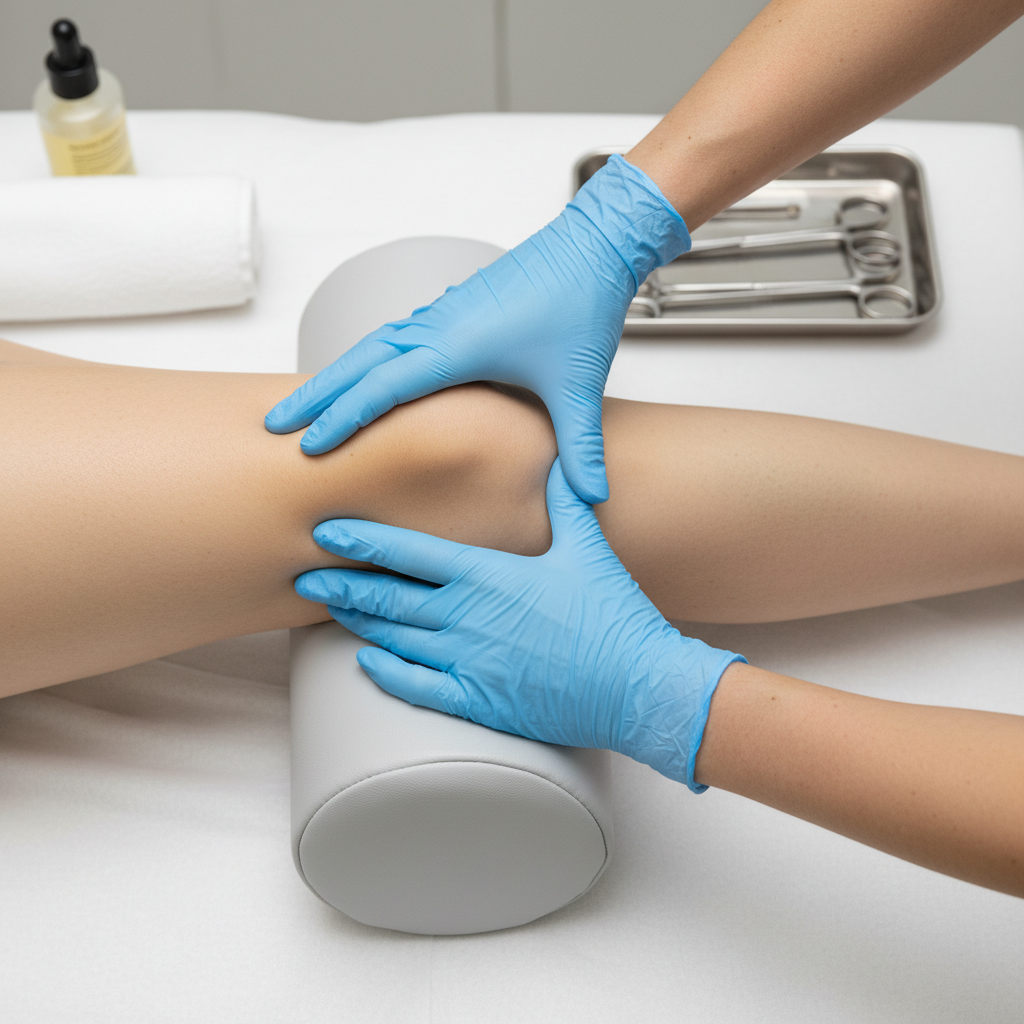
One of the significant benefits of non-surgical care is the ability to create individualized treatment plans. Healthcare providers assess each patient's unique condition, lifestyle, and goals to develop a personalized approach. This customization ensures that patients receive the most effective treatment available.
For instance, a patient with osteoarthritis might benefit from a combination of physical therapy and acupuncture, while someone with a sports injury may require chiropractic care and massage therapy.
Encouraging Long-Term Health
Non-surgical spine and joint care not only address immediate pain but also promote long-term health. By focusing on strengthening the body, improving flexibility, and teaching proper body mechanics, these treatments empower patients to manage their conditions effectively.

Furthermore, regular maintenance through non-surgical methods can prevent future injuries and complications, contributing to a healthier lifestyle overall.
Conclusion
Non-surgical spine and joint care offers a compelling alternative to traditional surgical methods. With its focus on individualized, low-risk, and cost-effective treatments, it provides a viable solution for those seeking relief from pain and discomfort. Consider exploring these options and consult with a healthcare professional to determine the best approach for your specific needs.