Ergonomics and Posture: Daily Tips for a Healthier Spine


In today's digital age, many of us find ourselves sitting for extended periods, whether at a desk, on a couch, or in a car. Unfortunately, this sedentary lifestyle can lead to poor posture, resulting in back pain and other health issues. By focusing on ergonomics and posture, you can support a healthier spine and improve your overall well-being.
Understanding Ergonomics
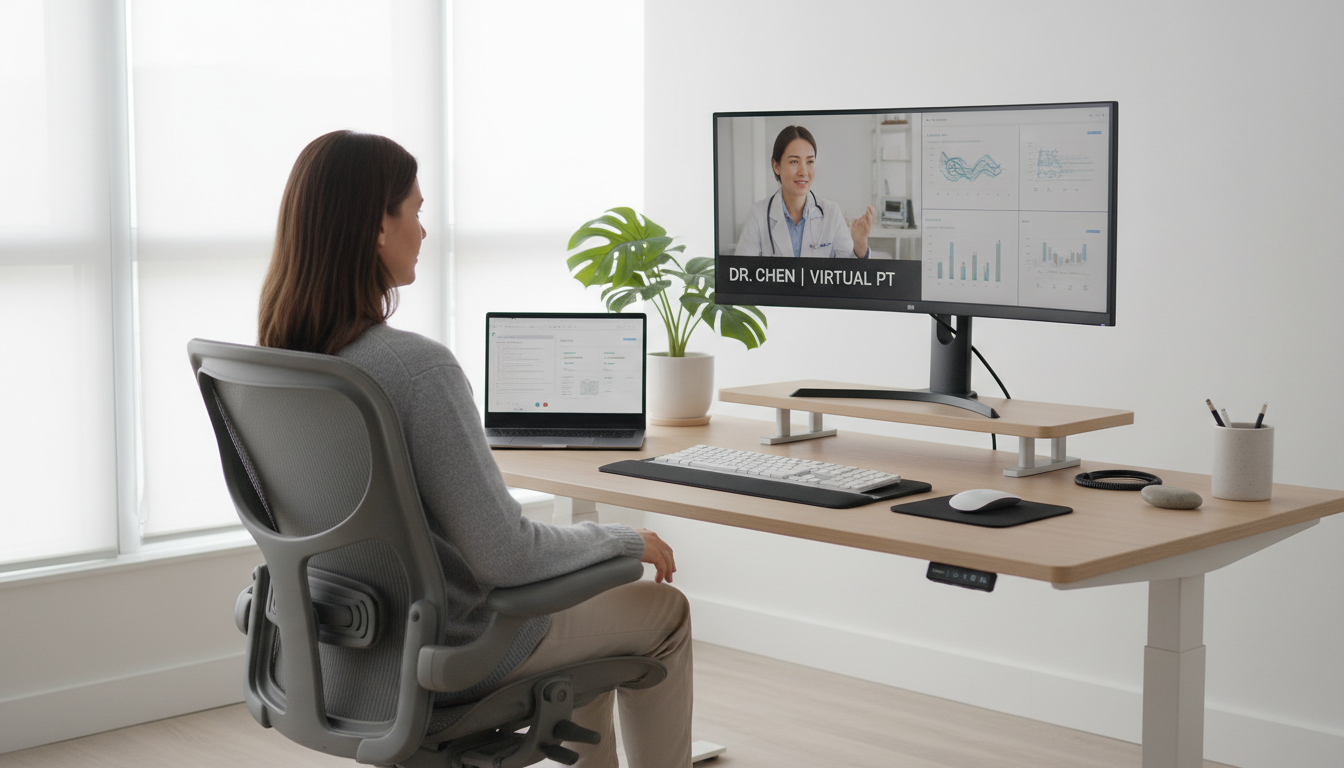
Ergonomics is the science of designing a workspace that fits the user's needs, reducing strain and improving efficiency. Whether you're working from home or in an office, ergonomic principles can make a significant difference in your comfort and health.
Setting Up Your Workspace
To create an ergonomic workspace, start by adjusting your chair. Ensure that your feet are flat on the floor, and your knees are at a 90-degree angle. Your elbows should rest comfortably by your sides, forming an L-shape. Position your computer screen at eye level to avoid straining your neck.
Maintaining Good Posture
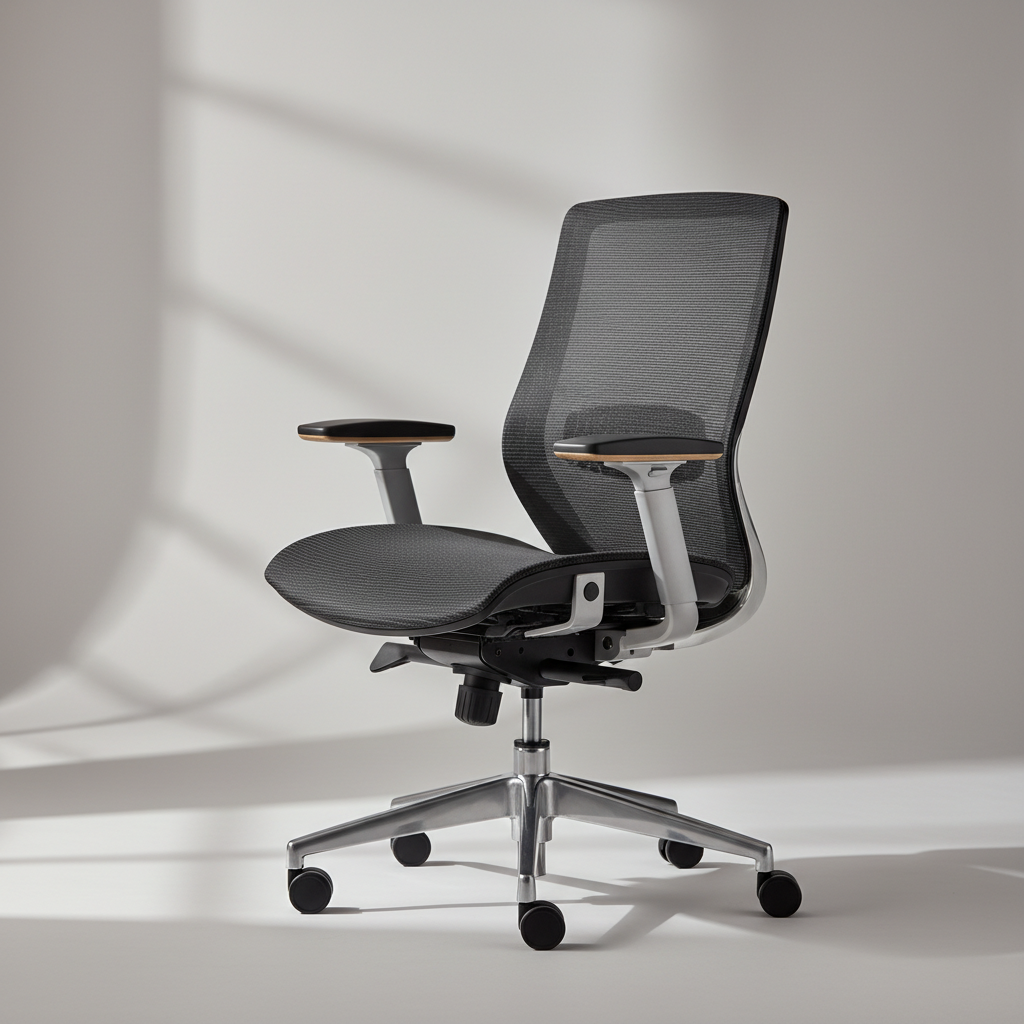
Good posture is essential for spinal health. It involves training your body to sit, stand, walk, and lie in positions that place the least strain on your supporting muscles and ligaments. Proper posture helps reduce the risk of back pain and other musculoskeletal disorders.
Sitting and Standing Correctly
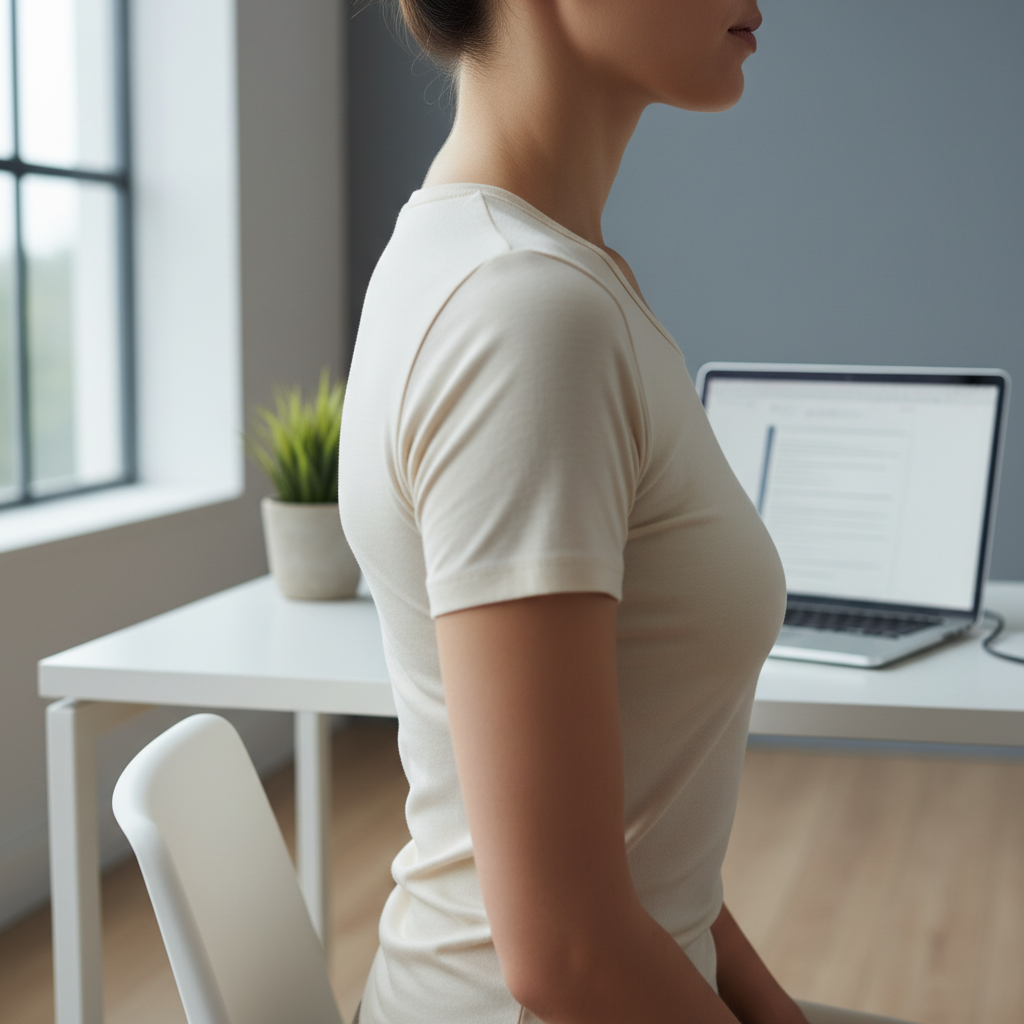
When sitting, ensure your back is straight, shoulders relaxed, and both feet flat on the ground. If you stand for long periods, shift your weight from one foot to the other or use a footrest. Keep your shoulders back and your head aligned with your spine.
Daily Exercises for a Healthier Spine
Incorporating simple exercises into your daily routine can significantly improve your spinal health. These exercises help strengthen the muscles that support your spine, improve flexibility, and reduce tension.
Simple Stretches and Movements
Try incorporating stretches such as the cat-cow yoga pose, which helps increase spine flexibility. Additionally, regular walking and gentle twisting movements can keep your spine healthy and mobile.
- Start with the cat-cow stretch to warm up your spine.
- Engage in short walks to maintain mobility.
- Practice gentle twists to relieve tension.
Take Regular Breaks
Regardless of how ergonomic your setup is, sitting for long periods is not advisable. Taking regular breaks to move around is essential for your spine's health. Aim to stand up and stretch every 30 to 60 minutes.
Incorporate these tips into your daily routine to foster a healthier spine and improve your overall quality of life. By paying attention to ergonomics and posture, you can significantly reduce the risk of back pain and enjoy a more comfortable work experience.